

close
Choose Your Site
Global
Social Media

Author: Site Editor Publish Time: 2026-04-22 Origin: Site
Having a trampoline in your backyard can provide hours of entertainment for children, promoting physical activity and fun. However, to ensure that it remains safe and durable for years to come, it’s crucial to maintain it properly. This guide covers how to keep a kids trampoline safe and durable, with practical steps, important safety features, maintenance tips, and guidelines for long-lasting enjoyment.
When purchasing a trampoline, the safety features should be your top priority. A good quality trampoline with proper safety features can significantly reduce the risk of injury while ensuring durability.
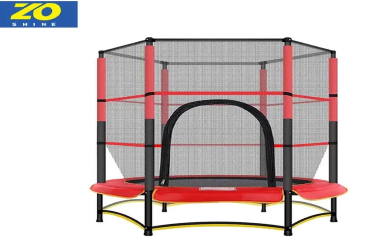
One of the most important features for kids’ trampolines is a safety net. A safety net helps prevent children from falling off the trampoline during use, significantly reducing the risk of injuries. A trampoline with a fully enclosed net keeps kids safe and contained while bouncing. Ensure the net is securely attached to the frame to avoid gaps or loose sections that children could accidentally slip through. High-quality nets are made from weather-resistant material to withstand outdoor conditions and are designed to be durable and tear-resistant.
Padding around the springs and frame is another essential safety feature. Exposed springs or metal frames can cause serious injuries, especially when children land near the edge of the trampoline. Proper padding covers the springs and frame, providing a soft landing area for kids. The padding should be made of thick foam covered by UV-resistant fabric that can withstand the elements and maintain its protective properties. Always make sure that the padding is securely attached and covers all exposed metal parts to prevent accidents.
Choosing weather-resistant materials for your trampoline is crucial to its longevity and safety. A trampoline made of high-quality galvanized steel for the frame ensures it is resistant to rust and corrosion, even when exposed to rain and humidity. The trampoline mat should be made of durable, UV-resistant fabric that can handle constant sun exposure without fading or weakening. Opting for weather-resistant materials will ensure that the trampoline remains stable and safe, even with years of outdoor use.
Safety Feature | Importance | What to Look For |
Enclosed Safety Net | Prevents falls and keeps jumpers safe | Securely attached, made from durable, tear-resistant material |
Padding Around Springs | Protects children from sharp, exposed parts | Thick foam, UV-resistant fabric covering all exposed metal |
Weather-Resistant Materials | Ensures durability in outdoor conditions | Galvanized steel frame, UV-resistant fabric for the mat and net |
Proper setup is essential to ensuring both safety and durability. The way you assemble and place your trampoline will impact its performance and stability.
To begin, follow the manufacturer’s instructions carefully when installing your trampoline. Start with assembling the frame, making sure that all parts are properly connected and securely tightened. Loose bolts or parts can lead to instability, so take extra care during this step. After the frame is set up, attach the springs evenly around the mat. This will ensure that the bounce is consistent across the surface. Install the safety net and ensure it is tightly secured, with no gaps for children to slip through. Finally, check the trampoline for any loose components or areas that may need tightening before use.
Location is key when setting up a trampoline to ensure long-term safety. The trampoline should be placed on a flat, level surface to prevent tipping. Avoid placing it on uneven or sloped ground, as this can cause the trampoline to become unstable. Ideally, the location should be in an open area, free from nearby obstacles like trees, fences, or walls. This ensures that, in the case of a fall, there is a sufficient buffer zone for children to land safely. Additionally, soft ground, such as grass or soil, is preferable, as it provides a more forgiving surface in case of a fall.
Once the trampoline is set up, securing it properly is crucial, especially in windy conditions. Use ground anchors or tie-down straps to secure the trampoline to the ground, preventing it from being blown away or shifting during use. Some trampolines come with additional stabilizers or support legs that can be installed to increase stability. Always ensure that the trampoline is anchored securely, especially if you live in an area that experiences strong winds.
Setup Step | What to Do | Why It Matters |
Proper Installation | Follow assembly instructions, secure all parts tightly | Ensures the trampoline is stable and safe |
Choosing the Right Location | Place the trampoline on flat, soft ground, away from obstacles | Reduces risk of tipping, ensures a safer landing area |
Securing the Trampoline | Use ground anchors or stabilizers to prevent shifting | Keeps the trampoline stable and prevents accidents |
Maintaining your trampoline regularly is key to ensuring its safety and longevity. By performing routine inspections and addressing minor issues before they become major problems, you can keep the trampoline safe for years to come.
Inspect the springs, mat, and frame regularly for any signs of damage or wear. Check the springs for rust or breaks, as weakened springs can affect the bounce quality and safety. The mat should be checked for any tears, holes, or fraying, which can lead to instability and potential injuries. Lastly, inspect the frame for any signs of rust, cracks, or bending. A damaged frame compromises the trampoline’s structural integrity, so it should be repaired or replaced immediately.
When any parts of the trampoline become worn or damaged, replace them immediately. This is especially important for components like springs, mats, and padding. Don’t wait until damage worsens or causes an accident. Always use genuine replacement parts from the manufacturer to ensure proper fit and compatibility. If the frame is severely damaged, it is best to replace the entire frame rather than attempting a temporary fix.
Weather conditions, particularly rain, snow, and UV exposure, can cause significant wear and tear on the trampoline over time. Monitor for signs of weather damage, such as fading fabric, brittle padding, or rust on the frame. If you live in a region with extreme weather, consider covering the trampoline during harsh conditions or storing it in a sheltered area when not in use.
Proper storage and protection from the elements can significantly extend the life of your trampoline.
To protect the trampoline from rain, snow, and intense sunlight, use a weather-resistant cover when it’s not in use. A cover helps prevent UV damage to the fabric, prevents rust, and keeps the trampoline clean from debris. Always ensure the cover fits securely to protect all parts of the trampoline.
In regions with extreme weather conditions (heavy snow, strong winds, etc.), it’s a good idea to disassemble the trampoline during the off-season. This helps protect the trampoline from damage caused by snow accumulation or high winds. If disassembly is not possible, make sure the trampoline is covered and well-secured.
When storing the trampoline for the winter or during periods of non-use, store smaller parts (such as ladders, safety nets, or mats) indoors. This will prevent long-term weather damage and ensure the trampoline remains in good condition when it’s time to set it up again.
Storage Tip | Action | Benefit |
Use a Cover | Cover the trampoline during periods of non-use | Protects from UV damage, rust, and debris |
Disassemble in Harsh Weather | Take apart parts during extreme weather | Prevents damage from snow, rain, or wind |
Store Indoors When Possible | Store smaller parts indoors when not in use | Extends the life of the trampoline components |
Ensuring safe use of the trampoline is equally important to maintaining its structure. Setting clear guidelines for how children should use the trampoline helps reduce the risk of accidents and ensures everyone has a fun and safe experience.
Always supervise children while they are using the trampoline. Accidents can happen quickly, and an adult should be present to monitor the jumping, ensure that the rules are followed, and intervene if necessary. Active supervision helps prevent risky behavior and ensures that kids use the trampoline correctly, without performing dangerous stunts or pushing each other.
Stick to age and weight guidelines specified by the manufacturer. Most trampolines are suitable for children aged 6 and up, but always check the recommended age range before use. Additionally, ensure that the trampoline’s weight limit is not exceeded. Encouraging only one jumper at a time can significantly reduce the risk of injury, as multiple jumpers can collide or bounce in different directions, leading to accidents.
Establish clear jumping rules to ensure safe play:
· No flips or somersaults: These can lead to serious injuries, such as neck or back injuries.
· One jumper at a time: Only one child should be allowed to jump at a time to prevent collisions, falls, or injury from uneven bouncing.
· Jump in the center: Encourage children to stay in the middle of the trampoline mat. This prevents them from landing near the edges, where they may fall off or land awkwardly.
By setting and enforcing these safety rules, you can ensure that trampoline fun remains enjoyable and injury-free for everyone.
It’s recommended to inspect your trampoline at least once a month, and more frequently after heavy use or extreme weather conditions. Regular checks help catch any signs of wear and tear before they cause safety issues.
While it’s safe to leave a trampoline outside in mild winter weather, it’s best to either disassemble it or use a weather-resistant cover to protect it from snow, rain, and extreme cold. This will help prevent rust and prolong the life of the trampoline.
If the trampoline mat is torn or damaged, it should be replaced immediately to avoid injury. Using a trampoline with a damaged mat can be unsafe, as it may affect the bounce quality and stability.
To secure your trampoline in windy conditions, use ground anchors or tie-down straps to hold it firmly in place. These are essential to prevent the trampoline from being blown over or moved during strong winds.
Maintaining a safe and durable trampoline requires regular inspections, proper setup, and consistent care. It’s crucial to ensure that safety features like netting, padding, and weather-resistant materials are in place and functioning correctly. By following safety guidelines, performing routine checks, and taking protective measures against weather conditions, you can significantly extend the life of your trampoline while keeping it safe for use. Proper storage and timely repairs also contribute to maintaining both its structural integrity and safety over time. At Zhejiang Zoshine Sports Equipment Co., Ltd., we offer high-quality, safe trampolines designed with durability and safety in mind. Our trampolines are built to last, ensuring that your children can enjoy hours of fun and exercise in a secure, enjoyable environment. With the right care and attention, your trampoline will provide years of outdoor entertainment for your family.


