

close
Choose Your Site
Global
Social Media

Author: Site Editor Publish Time: 2026-04-13 Origin: Site
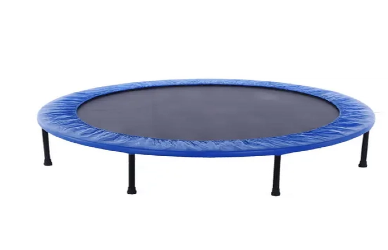
Trampoline safety for kids is a crucial aspect of outdoor play that often gets overlooked. While trampolines are an incredibly fun and engaging activity for children, they can also pose significant risks if not used correctly. For parents and caregivers, ensuring that the trampoline is safe is of utmost importance to prevent accidents and injuries. Choosing the right trampoline involves looking for features that prioritize safety, such as secure enclosures, proper padding, and durable materials. By selecting a trampoline that meets safety standards, and by closely supervising children while they play, parents can create a fun and secure environment where kids can jump and play freely, all while reducing the risk of potential harm.
When selecting a trampoline for kids, there are several key safety features to consider to ensure both protection and durability. Here’s a closer look at some of the most important safety features:
An enclosed safety net is one of the most essential features for preventing falls and injuries. These nets create a secure barrier around the trampoline, significantly reducing the risk of children bouncing off the trampoline and onto the ground. The net should be tightly secured to the frame, with no gaps that could allow children to fall out during play. Additionally, the net should be made from durable, weather-resistant material that can withstand rough use over time.
The springs and frame of a trampoline can be dangerous if left unprotected. Proper padding around these areas helps prevent accidents, such as pinched fingers or toes. High-quality foam padding covers both the springs and the frame, creating a soft barrier that minimizes the risk of injury when children land near or on the edges. This added cushion makes a significant difference in ensuring the safety of young jumpers.
A trampoline made from high-quality, weather-resistant materials is crucial for ensuring long-term safety. The frame should be constructed from galvanized steel to resist rust and corrosion, especially if the trampoline will be kept outdoors. The jumping mat should be made from durable, UV-resistant materials to withstand prolonged exposure to sunlight and weather conditions. Strong, durable materials ensure that the trampoline remains safe and functional, even after years of use.
Stability is a critical safety consideration for trampolines. A stable, well-constructed frame prevents the trampoline from tipping over during use, which could lead to serious injury. Ensure that the trampoline has a wide, balanced base with high-quality legs, such as U-shaped or W-shaped designs, that provide superior stability. Additionally, it’s important to pay attention to the weight limit of the trampoline. Adhering to the weight capacity ensures that the trampoline can safely accommodate the number of kids using it without compromising stability.
For children to safely enter and exit the trampoline, a secure ladder or steps are essential. A properly designed ladder ensures that kids can climb in and out without risking falls. The ladder should be sturdy, non-slip, and positioned at the correct height, allowing for easy access. Some trampolines also feature a safety feature where the ladder can be removed or locked to prevent unauthorized access when not in use. This ensures that children cannot access the trampoline unsupervised, further reducing the risk of accidents.
When purchasing a kids trampoline, it's important to ensure the product meets recognized safety standards. These certifications confirm that the trampoline has been tested for safety and meets specific criteria to protect children. Here's an overview of key safety certifications:
The ASTM F381-16 standard focuses on trampoline safety, covering design, performance, and safety nets. Trampolines that meet ASTM standards have been tested for durability and strength, ensuring reduced risk of injury and structural failure.
EN71 is the European safety standard for toys, which includes trampolines. It ensures trampolines are free from harmful chemicals, have safe padding, and properly secured moving parts to prevent accidents. EN71 certification guarantees the trampoline is safe for use in homes and public areas in Europe.
The GS mark, which stands for "Tested Safety," ensures the trampoline complies with German and European safety regulations. It covers product durability and user protection against risks like falls and pinching.
Check the Product Label
Reputable trampolines will display safety certification marks like ASTM, EN71, or GS on the product label or packaging.
Review the Manufacturer’s Website
Check the product page for certification details. If not listed, contact the manufacturer for verification.
Ask for Certification Documentation
Request official documentation from the seller or manufacturer to confirm the trampoline’s safety standards.
Look for Third-Party Testing
Certifications from independent organizations like TÜV or SGS ensure the trampoline has undergone unbiased, thorough safety checks.
Ensuring trampoline safety goes beyond choosing the right product; adult supervision and clear usage guidelines are essential to prevent accidents and ensure a fun, safe experience for kids. Here’s what parents and caregivers need to know:
Adult supervision is critical whenever children are using the trampoline. Even if the trampoline is equipped with all the necessary safety features, accidents can still happen if children are left unsupervised. An adult should always be present to monitor the kids' activity, step in if necessary, and ensure that they follow safety rules. This oversight helps prevent risky behaviors, such as jumping too high or performing dangerous tricks.
To minimize the risk of injury, it's important to limit the number of children using the trampoline at once. Ideally, only one child should jump at a time to avoid collisions or multiple children bouncing in different directions. For larger trampolines, two to three children can use the trampoline, but only if they are of similar size and skill level.
Age restrictions are equally important. Most manufacturers recommend trampolines for children 6 years and older due to the physical demands and risks involved in jumping. It’s crucial to check the trampoline's age recommendations and ensure that younger children or toddlers are not using the trampoline unless it’s specifically designed for their age group.
To further ensure safety, children should be taught and reminded of the following basic trampoline rules:
· No flips or somersaults: Flipping can cause falls, neck, or spine injuries. Kids should be encouraged to jump safely without performing aerial stunts.
· Only one jumper at a time: This rule helps reduce the chances of collisions or falls caused by multiple children bouncing together.
· Bounce in the center: Encourage children to jump in the middle of the trampoline mat, where the surface is most stable.
· Do not jump when tired: Tired kids are more prone to accidents, so they should stop if they feel exhausted.
· No pushing or shoving: Rough play increases the risk of injury and should be avoided at all times.
Regular maintenance and inspections are essential to keep your trampoline safe and in good working condition. Over time, wear and tear can weaken various components of the trampoline, increasing the risk of accidents. Here’s what you need to do to ensure the trampoline remains safe for use:
Conducting routine inspections helps identify any signs of wear and tear before they become serious issues. Check the following areas regularly:
· Springs: Inspect the springs for rust, corrosion, or any that are broken or loose. Rusty or damaged springs can affect the trampoline's bounce and pose a safety risk.
· Mat: Check the jumping mat for any holes, tears, or signs of fraying. A damaged mat can be a tripping hazard or may break entirely if used improperly.
· Frame: Examine the trampoline frame for any dents, cracks, or bending. A weakened frame can cause the trampoline to collapse under pressure, leading to potential injury.
If any parts of the trampoline are found to be damaged or worn out, it is crucial to repair or replace them immediately. Delaying repairs can lead to more significant problems, such as:
· Structural failure: A broken spring or damaged frame could cause the trampoline to collapse, leading to serious injuries.
· Increased risk of falls: A torn mat or loose spring could cause a child to fall off the trampoline or suffer cuts and abrasions.
· Reduced bounce quality: Worn-out components can affect the trampoline’s performance, making it less enjoyable and potentially dangerous for kids.
A net that fully encloses the trampoline to prevent falls, ensuring it is securely attached and made of durable, weather-resistant materials.
Choose trampolines with a wide, stable base and U-shaped or W-shaped legs. Ensure the weight limit is suitable for the number of kids using it.
Yes, certifications like ASTM, EN71, and GS indicate that the trampoline meets international safety standards for children’s products.
Regularly inspect for damage, tighten loose parts, clean the mat, check the springs, and ensure the padding is intact. Always replace any worn-out parts.
In conclusion, when selecting a trampoline for your child, safety should always be your top priority. Key safety features to look for include an enclosed safety net to prevent falls, proper padding around the springs and frame to reduce injury risks, and durable, weather-resistant materials to ensure long-lasting use. It’s also important to choose a trampoline with a stable base and weight limit that suits your child’s needs, along with a secure ladder or steps for safe access. Always verify that the trampoline meets recognized safety certifications like ASTM, EN71, and GS to ensure it meets industry standards. At Zhejiang Zoshine Sports Equipment Co., Ltd., we prioritize these safety features across our entire range of products to give parents peace of mind. Finally, remember that adult supervision, adherence to usage guidelines, and regular maintenance checks are essential to maintaining a safe environment. By following these safety tips and choosing a high-quality trampoline from Zoshine Sports, you can provide your child with hours of fun while minimizing the risk of injury.


