

close
Choose Your Site
Global
Social Media

Author: Site Editor Publish Time: 2025-12-12 Origin: Site
When choosing a trampoline, one of the first questions is: What is the average lifespan of a trampoline? This is crucial for anyone investing in one, as it tells you how long you can enjoy it.
The lifespan depends on factors like the type, materials, and usage frequency. In this article, we’ll explore how long different trampolines last, including Inground Trampolines, Kids Trampolines, and Fitness Trampolines.
We’ll also share tips to maximize your trampoline’s lifespan. Trampolines from Zoshine are known for their durability, making them a great investment for your backyard.
Several factors play a significant role in determining how long your trampoline will last. Understanding these elements can help you make an informed decision and protect your investment.
The materials used in the construction of the trampoline are the most significant factors in its lifespan. High-quality, weather-resistant materials such as galvanized steel for the frame and UV-treated polyester for the mat ensure that your trampoline can withstand both the elements and regular use. Poor-quality materials, however, can deteriorate quickly, leading to rust, tears, or deformation.
Trampolines that are used frequently tend to wear out more quickly than those used sparingly. The heavier the usage, the more stress is placed on the frame, mat, and springs, leading to quicker wear and tear. Regular use for activities like gymnastics or fitness routines will generally shorten the lifespan compared to occasional recreational use.
Outdoor trampolines are exposed to various weather conditions, including rain, snow, intense sunlight, and humidity. Inground Trampolines, for example, may be less susceptible to wind, but their materials still experience significant wear from direct exposure to the elements. Using a weather-resistant cover and storing the trampoline during extreme weather can prolong its lifespan.
Factor | Inground Trampoline | Kids Trampoline | Fitness Trampoline |
Frequency of Use | Moderate to High | High | High |
Environmental Exposure | High (if outdoors) | High | Moderate |
Material Quality | High | Moderate | High |
Typical Lifespan | 8-10 years | 3-5 years | 5-8 years |
Inground Trampolines have a distinct advantage in terms of durability. Installed below the ground level, these trampolines are protected from high winds and damage caused by accidents. However, environmental factors still play a role in their lifespan.
The lifespan of an Inground Trampoline depends heavily on the quality of the frame, mat, and springs. Inground Trampolines often feature heavy-duty galvanized steel frames to resist rust and corrosion. Additionally, a weather-resistant mat and high-tension springs help the trampoline endure harsh conditions. With proper care, an Inground Trampoline can last 8-10 years or more.
Proper installation is key to the longevity of an Inground Trampoline. Ensuring that the trampoline is installed correctly will prevent the frame from warping over time. Regular maintenance, such as checking the frame for rust, replacing worn springs, and keeping the mat free of debris, can extend the lifespan.
On average, Inground Trampolines last between 8 to 10 years, but the lifespan can extend with proper care. However, exposure to extreme weather and improper storage can shorten their lifespan.
Factor | Impact on Lifespan |
Frame Material | High-Quality Steel (Longer Lifespan) |
Mat Material | UV-treated Polyester (Helps Longevity) |
Spring Quality | High-Tension Springs (Increases Durability) |
Maintenance | Regular Inspection and Care (Prolongs Lifespan) |
Exposure to Weather | Significant Impact, especially in extreme climates |
Kids Trampolines are designed with safety and fun in mind, but their durability also depends on usage. Children’s trampolines, especially when used frequently, can experience wear and tear more quickly.
The lifespan of Kids Trampolines can be influenced by factors such as the material quality, the frequency of jumping, and the age and weight of the children using them. A trampoline used regularly for high-energy play will show signs of wear much quicker than one used only occasionally.
As children grow, the trampoline’s components, especially the springs and mat, will experience more stress. It’s essential to monitor these parts for any signs of damage, such as rusted springs or a sagging mat. Kids Trampolines with UV-resistant mats can withstand sunlight better, which is especially important if the trampoline is used outdoors.
The average lifespan of a Kids Trampoline is between 3 to 5 years, depending on the usage and care. If well-maintained, it can last longer, but regular checks and repairs are recommended.
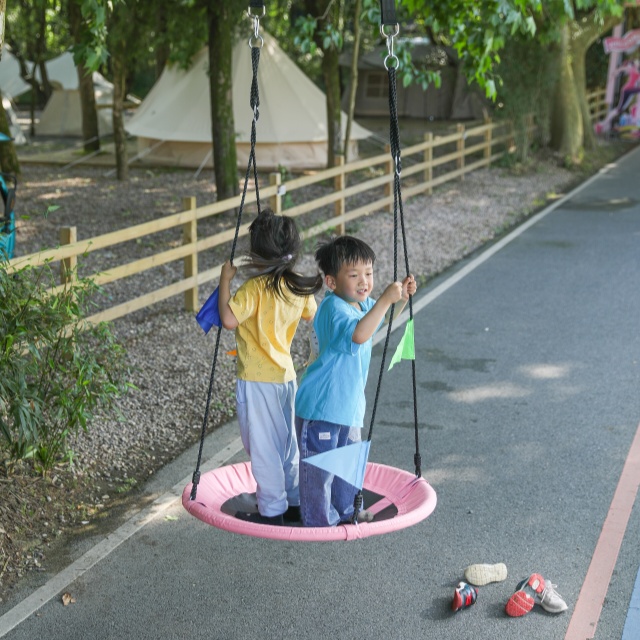
Fitness Trampolines are specifically designed for exercise routines and are built to withstand higher usage levels. These trampolines tend to last longer than regular recreational trampolines due to their specialized construction.
Fitness Trampolines are built with stronger frames and mats to accommodate intense workouts. They’re designed for durability, providing a firmer, more responsive bounce. These trampolines are often smaller in size, which helps prevent overuse and reduces wear on the springs and mat.
To maximize the lifespan of a Fitness Trampoline, routine checks for any damage or wear are important. Fitness trampolines should be cleaned regularly, and the springs should be checked for rust. Additionally, storing the trampoline in a dry location when not in use can prevent unnecessary exposure to the elements.
On average, Fitness Trampolines last between 5 to 8 years, depending on frequency of use and the quality of the trampoline. High-end models may last longer with proper care.
Maintaining your trampoline properly is essential for extending its lifespan. Here are some tips to help you get the most out of your trampoline investment.
Regularly inspect the mat, frame, and springs for any signs of wear or damage. Look for frayed areas on the mat, rust on the springs, or cracks in the frame. Cleaning the trampoline is equally important; remove any debris such as leaves, dirt, or twigs that can accumulate and damage the mat over time. These objects can cause the mat to degrade or the springs to weaken. Periodically hose down the trampoline frame and use a gentle cloth to wipe the mat clean. A simple cleaning routine will prevent dirt from settling in and affecting the performance of your trampoline.
If your trampoline is not in use during the off-season or if you live in an area with harsh weather conditions, it’s important to cover or store your trampoline to protect it from the elements. UV rays from the sun can cause the materials to break down, while snow or heavy rain can lead to rust and corrosion. Using a weather-resistant cover can provide the necessary protection, especially if you have an Inground Trampoline. For added protection, consider disassembling the parts or storing the trampoline indoors, particularly the jumping mat and springs. This will help preserve its structural integrity and prevent premature wear.
Tip: Consider storing your trampoline in a dry, sheltered area during the winter months to avoid damage from harsh weather conditions.
The springs are a critical part of your trampoline's performance and safety. Make sure the springs are intact and free from rust. Springs with any signs of rust should be replaced immediately to avoid injury. The frame should also be checked regularly for stability. Inspect the frame for any cracks, loose bolts, or bent parts. If any part of the frame is unstable, repair or replace it to prevent accidents. For trampolines exposed to harsh elements, Trampolines With Enclosure can offer additional protection for both the users and the trampoline itself. Regularly tightening the bolts and screws will ensure the frame remains securely in place.
Note: High-quality trampolines, such as those with Fitness Trampoline models, often come with weather-resistant, reinforced frames and springs that can help prolong the lifespan of your trampoline.
1. Use the trampoline properly: Make sure that the trampoline is used according to the manufacturer's guidelines. Avoid excessive weight or jumping beyond the recommended limits.
2. Replace damaged parts immediately: Don’t wait to replace any worn or damaged components like the mat, springs, or safety netting. Prolonging replacements can lead to further damage and increased repair costs.
3. Protect from pets and animals: If you have pets, particularly dogs, keep them away from the trampoline. Animals can easily damage the mat, springs, or netting.
4. Consider seasonal maintenance: Depending on your region's weather, perform maintenance at the start of each season, particularly before the trampoline is used regularly during warmer months.
By following these maintenance tips and checking for wear and tear regularly, you can significantly extend the lifespan of your trampoline. Whether it’s an Inground Trampoline, a Kids Trampoline, or a Fitness Trampoline, proper care and attention will ensure that it stays safe and functional for many years to come.
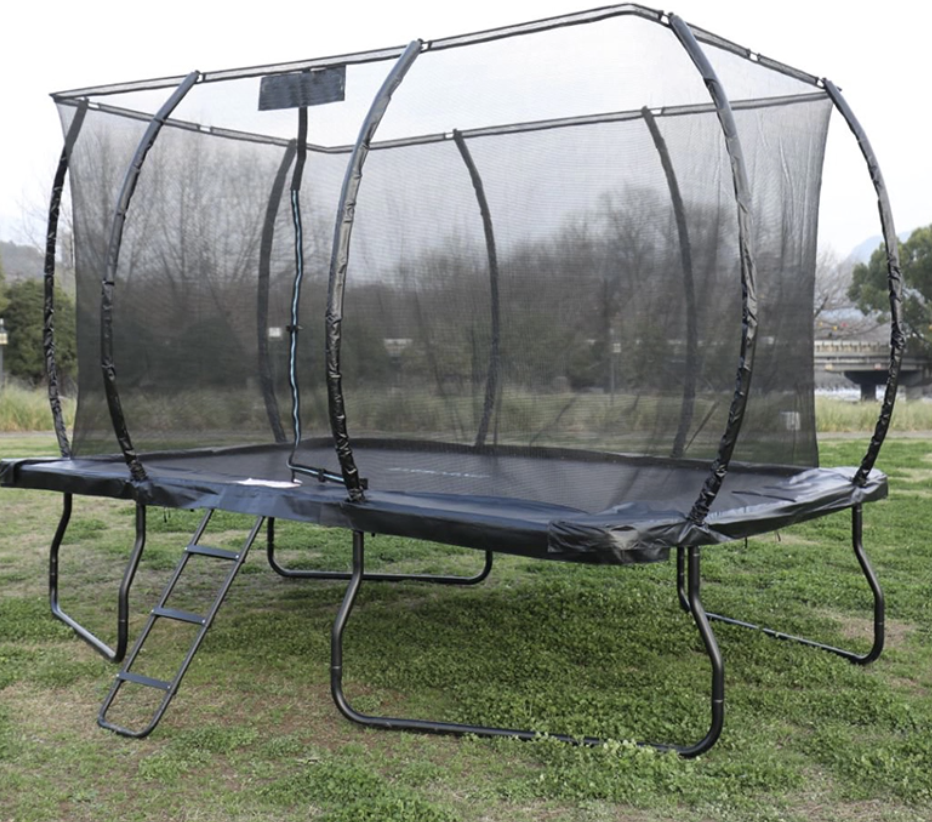
Knowing when to replace your trampoline can save you from injury and frustration. Here are a few signs that indicate it might be time to replace your trampoline.
If the trampoline mat is sagging or torn, this is a clear sign that it’s time for a replacement. A worn-out mat can result in decreased bounce quality and potential safety hazards.
Rusted or broken springs can significantly affect the trampoline’s performance and safety. If the springs are no longer responsive or are rusting, they should be replaced.
A wobbly or rusted frame is a serious safety concern and can lead to accidents. If your trampoline’s frame is severely damaged, it may be best to replace it entirely.
Weather conditions play a crucial role in the lifespan of a trampoline. Whether it’s direct sunlight, rain, or snow, the weather can accelerate the wear and tear of trampoline materials.
UV rays can cause significant damage to the trampoline’s mat and safety pads. Over time, the materials can lose elasticity, leading to fading and deterioration. Using UV-resistant materials and storing the trampoline during peak sunlight hours can reduce this effect.
Exposing a trampoline to rain or snow can cause rust on the frame and springs. Similarly, high humidity can cause mold and mildew to form on the mat. It’s important to store or cover the trampoline during inclement weather to minimize these risks.
In conclusion, the lifespan of a trampoline depends on factors such as type, material quality, usage, and exposure to the elements. Whether it's an Inground Trampoline, Kids Trampoline, or Fitness Trampoline, each has a different lifespan based on design and use. With proper care, maintenance, and protection, you can extend your trampoline’s life. Zoshine trampolines offer excellent durability, making them a great choice for long-lasting enjoyment.
A: The average lifespan of a trampoline depends on the type, quality of materials, and usage. Typically, trampolines last 3-10 years with proper care.
A: Inground trampolines generally last 7-10 years, depending on the quality of materials and maintenance.
A: Regular inspections, cleaning, and proper storage can significantly extend the lifespan of your Kids Trampoline.
A: Fitness trampolines are designed for frequent use and can last up to 10 years with proper maintenance.


