

close
Choose Your Site
Global
Social Media

Author: Site Editor Publish Time: 2026-07-02 Origin: Site
Investing in playground equipment carries surprisingly high stakes. A single poor purchasing decision easily leads to rapid deterioration or completely unusable equipment. It also introduces major liability risks for homeowners and property managers alike. Many buyers struggle to bridge the gap between aesthetic appeal and structural reality. The right choice depends heavily on daily user volume, strict compliance requirements, and your actual maintenance bandwidth. Simply picking a visually pleasing unit often results in catastrophic failure if it cannot withstand local traffic or intense weather conditions. We will break down an objective framework to help you evaluate equipment specifications and manufacturer claims accurately. You will discover exactly how to separate residential gear from commercial-grade infrastructure safely. Ultimately, you will gain the clear insights needed to secure a lasting play environment and maximize your long-term investment return.
Commercial and residential sets are separated by strict legal, insurance, and structural testing standards—not just size.
Material selection (cedar, galvanized steel, vinyl-coated wood) directly dictates the lifespan and maintenance schedule of a durable outdoor swing and slide setup.
Proper evaluation requires planning for "use zones" and surfacing, which often consume more budget and space than the equipment itself.
Credible manufacturers are identified by transparent, pro-rated warranties and adherence to CPSC or ASTM safety guidelines.
You must establish a realistic baseline before comparing specific models. Buyers often confuse the physical size of a playground with its actual durability classification. A massive wooden structure built for a backyard remains fundamentally different from a compact playground installed at a public park. The core difference lies in engineered resilience. We determine this resilience by analyzing daily traffic limits and legal compliance standards.
Contrast the daily wear-and-tear expectations. A single-family residential unit serves two or three children for a few hours each week. The materials endure minimal friction. Conversely, schools, homeowner associations (HOAs), or public parks experience relentless commercial traffic. These community spaces host dozens of children simultaneously. They endure continuous usage from dawn until dusk. Equipment built for light residential use will collapse under this heavy volume rapidly.
Compliance and legal liability demand your immediate attention. Installing a residential set in a commercial space immediately voids all manufacturer warranties. It also creates a massive legal liability for property owners. If an injury occurs on non-compliant equipment, you carry the full legal burden. Regulatory bodies establish strict engineering benchmarks. Commercial equipment must meet ASTM F1487 guidelines. These rules dictate load-bearing capacities and entrapment hazard elimination. Residential equipment follows the much lighter ASTM F1148 standard. You must also adhere to specific CPSC (Consumer Product Safety Commission) guidelines regarding fall heights and guardrail dimensions.
Facility insurance policies strictly mandate these commercial-grade certifications. Insurance providers require documented proof of ASTM F1487 compliance before writing a liability policy for a community space. They will deny injury claims entirely if investigators discover residential-grade hardware in a public zone. We can observe these core differences clearly in the breakdown below.
Specification Area | Residential Standard (ASTM F1148) | Commercial Standard (ASTM F1487) |
|---|---|---|
Typical Daily Users | 1 to 5 children | 20 to 50+ children |
Hardware Design | Exposed bolts, standard zinc plating | Recessed hardware, tamper-proof locking nuts |
Warranty Validity | Private backyards only | Public parks, schools, HOAs |
Insurance Coverage | Standard homeowner policy | Requires strict commercial liability underwriting |
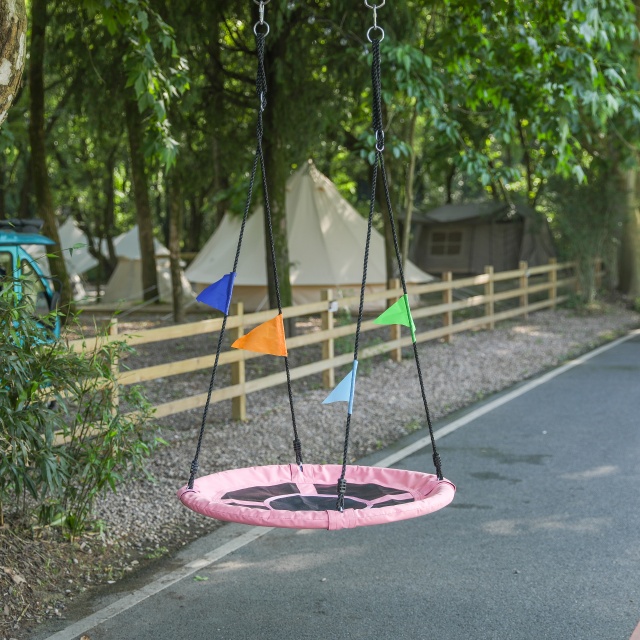
Material selection dictates the actual lifespan of your play structure. You must evaluate structural materials based on your local climate and maintenance capacity. Wood represents a traditional and highly popular choice. However, different wood species perform drastically differently outdoors. Cedar and redwood offer natural rot resistance. They repel insects effectively. Pine costs less initially but requires harsh chemical pressure-treatment to survive outdoors. All exposed wood demands regular maintenance. You must sand away splinters and apply fresh water-sealant annually.
Galvanized metal offers immense structural rigidity. It resists rust through specialized zinc coatings. City parks heavily favor steel structures because they withstand vandalism well. You must assess heat retention carefully, though. Bare metal absorbs intense summer sun. Dark powder-coated steel can burn bare skin during peak afternoon hours. Modern manufacturers solve this by utilizing lighter colors or integrating large canopy shade structures overhead.
Vinyl-wrapped wood represents a premium commercial standard. Manufacturers take thick, structural timber and encase it entirely within a thick PVC shell. This hybrid approach prevents water intrusion completely. It stops interior rot. It also eliminates dangerous wood splinters entirely. You get the heavy weight-bearing capacity of thick timber combined with the zero-maintenance surface of modern plastics.
Hardware and joints form the weakest links in any structure. Moving parts endure immense friction. We strongly advise checking for recessed hardware. Bolts should sit deep inside the beams. This prevents scraping injuries as children run past. Commercial joints utilize heavy-duty locking bolts rather than simple wood screws. They feature thick, rust-proof coatings designed to survive decades of rain and snow.
Component integrity separates cheap toys from professional infrastructure. A truly durable outdoor swing utilizes heavy commercial-grade polymer belts rather than thin plastic strips. Pay close attention to the suspension chains. They should feature thick plastisol coatings on the lower half. This rubberized layer prevents the metal links from pinching small fingers during motion.
Designing an engaging playground requires strict age-appropriate zoning. Children possess vastly different motor skills at different developmental stages. Mixing toddlers with older, heavier children on the same equipment causes severe collision risks. You must physically separate play zones based on developmental milestones to ensure safe engagement.
We divide playground architecture into three distinct age classifications. Each category requires specialized components and specific safety considerations.
Ages 6-23 months (Infants and Toddlers): This group requires intense physical support. Focus heavily on full-support bucket seats. You might also select a customized fabric swing to provide sensory comfort and gentle motion. Keep all platform fall heights exceptionally low, usually under 24 inches.
Ages 2-5 years (Early Childhood): These children actively develop basic balance. They need shorter slides with gentle slopes. Include interactive ground-level panels featuring gears or musical chimes. Elevated platforms must feature fully enclosed guardrails to prevent accidental backward tumbles.
Ages 5-12 years (School Age): Older children seek complex physical challenges. They require taller decks and intricate overhead climbers. The structural framing must accommodate significantly higher weight capacities. Dynamic movement pieces like zip lines or complex monkey bars fit perfectly here.
Inclusive play elements matter deeply in modern recreational design. True inclusion goes far beyond basic wheelchair ramps. You should evaluate the integration of ADA-accessible transfer stations. These specialized platforms allow children to move seamlessly from a mobility device onto the play structure. Ground-level play activities ensure everyone participates regardless of their climbing ability. You can also install specialized inclusive swing seats. These large, molded harnesses provide full upper-body support for individuals facing core strength challenges.
Site preparation dictates the ultimate safety of your playground. Many buyers mistakenly focus only on the physical dimensions of the equipment. They ignore the surrounding clearance requirements entirely. You must calculate the exact "Use Zone" before purchasing anything. This critical safety perimeter extends well beyond the physical footprint of your chosen outdoor slide and swing set.
The Use Zone represents the required space for a child to fall safely without striking a fence, tree, or hard border. Standard regulations require a minimum 6-foot clearance in all directions from stationary equipment. Swing sets demand even larger zones. The clearance in front of and behind a swing must measure twice the height of the suspending pivot point. You cannot overlap these zones with other high-traffic play elements.
Surfacing requirements consume a significant portion of any project budget. Bare ground, packed dirt, or grass are completely unacceptable under play structures. They compact into hard surfaces instantly. You must compare the upfront costs and long-term safety of approved surfacing options.
Engineered Wood Fiber (EWF): This provides a highly budget-friendly initial cost. It absorbs impact well. However, EWF requires constant raking to maintain proper depth. You must also purchase replacement fiber annually as it decomposes.
Rubber Tiles: These interlocking mats offer excellent, consistent shock absorption. They represent a moderate initial investment. They handle heavy foot traffic well but require a perfectly flat concrete or packed-gravel sub-base.
Pour-in-Place Rubber (PIP): This serves as the gold standard for commercial surfacing. It provides seamless ADA accessibility. Wheelchairs roll across it effortlessly. PIP carries a massive upfront cost but demands almost zero routine maintenance.
Installation logistics depend entirely on your chosen equipment grade. Store-bought residential sets cater specifically to DIY homeowners. They arrive in dozens of flat-packed boxes. While highly DIY-friendly, they harbor hidden time costs. A complex wooden playset often consumes an entire weekend and requires specialized power tools. Commercial installations present an entirely different reality. You cannot build public infrastructure yourself. They necessitate professional installation teams. Municipalities usually require sign-off from Certified Playground Safety Inspectors (CPSI) before opening the area to the public.
Warranties serve as the ultimate manufacturer trust signal. You must look far beyond flashy marketing terms like "Lifetime Guarantee." Aggressive marketing often masks heavily restricted coverage limits. Deconstructing the warranty document reveals the true quality of the underlying engineering.
Differentiate clearly between specific material coverages. A company might offer a lifetime guarantee on structural wood rot. However, they may only cover hardware rust for one single year. They might cover plastic slide fading for three years. You need to know exactly which components fail fastest. Identify any pro-rated clauses hidden in the fine print. Pro-rated warranties diminish your claim value over time. If a main beam snaps after five years, a pro-rated clause might only cover forty percent of the replacement cost.
Investigate the brand's manufacturing history extensively. Look for established track records. You should check the Consumer Product Safety Commission database for past safety recalls. Consistent design flaws indicate a severe lack of internal quality control. One minor recall handled transparently shows responsibility. Multiple recalls for structural collapse indicate dangerous manufacturing practices.
Assess their long-term service level agreements. Availability of replacement parts remains a massive pain point for buyers. Big-box store imports frequently change their designs annually. If a customized plastic bracket shatters three years from now, you might find the part completely discontinued. This forces you to discard the entire structure. Dedicated playground manufacturers maintain massive inventories of universal replacement components. They guarantee part availability for decades. They secure your initial investment against minor component failures.
Navigating the playground equipment market requires strict attention to detail and clear realistic expectations. Residential buyers should focus heavily on optimizing backyard space, sourcing rot-resistant wood quality, and planning for age-growth potential. Commercial buyers must prioritize strict ASTM compliance, fulfill facility insurance mandates, and integrate thoughtful ADA accessibility elements. You cannot cut corners on safety zoning or impact-absorbing surfacing materials.
Take concrete action today to narrow your choices effectively. First, measure your available yard or site space meticulously, ensuring you account for the mandatory 6-foot minimum use zones. Next, audit your current property insurance policies to understand exact coverage limitations. Finally, request an itemized quote and a professional site plan from a certified playground dealer to visualize the complete spatial and financial requirements clearly.
A: A high-quality residential wood or metal set typically lasts 5 to 10 years with routine maintenance. Commercial-grade sets built from heavy-gauge galvanized steel or vinyl-wrapped timber routinely last 15 to 25 years. Their lifespan depends heavily on regular safety inspections and climate conditions.
A: No. Installing a residential playset in any shared community space violates strict ASTM F1487 commercial safety guidelines. It immediately voids the manufacturer's warranty. More importantly, it creates severe liability risks and can cause your community insurance provider to deny coverage entirely.
A: You need a minimum 6-foot "Use Zone" surrounding all stationary play equipment. For swings, this zone must extend in front and behind the set to a distance equal to twice the height of the top suspension beam. You cannot place hard borders within this zone.
A: Bare galvanized metal absorbs and retains significant heat, making it hotter than wood. However, modern commercial manufacturers apply specialized light-colored powder coatings to minimize heat transfer. In extreme climates, you should install large shade canopies to keep the entire structure cool and usable.


