

close
Choose Your Site
Global
Social Media

Author: Site Editor Publish Time: 2025-12-10 Origin: Site
When setting up your trampoline, one of the most common questions is whether the net should go on the outside or inside. This decision impacts safety, available play area, and the overall trampoline experience. Understanding the pros and cons of both options is essential for choosing the right setup. In this article, we’ll explore these differences to help you make the best choice. You’ll also learn why the placement of the net plays a significant role in trampoline performance and safety. Meanwhile, Zoshine trampolinesare designed to offer excellent durability and performance, whether the net is placed inside or outside, ensuring a safe and enjoyable experience no matter your preference."
● Larger Play Area: Placing the net on the outside of the trampoline provides more space for users. With the net positioned on the outside, trampolines maintain their full jumping surface. For example, a 12ft trampoline with an outside net allows kids to fully utilize the entire 12ft area.
● Enhanced Safety Features: By having the net on the outside of the springs, users are less likely to contact the frame. This is a safer option, especially for families with younger children who might wander near the edge.
● Potential Hazards: One downside of an outside net is that if a user hits the net, they may not bounce back onto the mat but instead hit the frame. However, with proper padding covering the springs and frame, this risk can be minimized significantly.
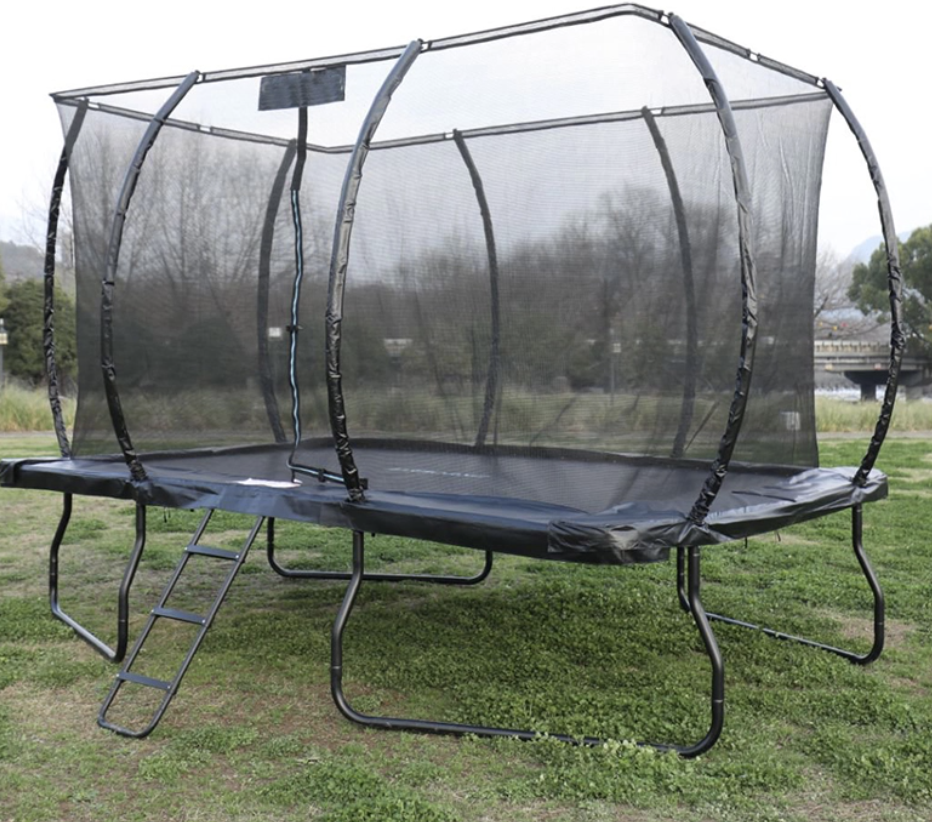
● Closer to the Mat: An inside net acts as a barrier between the jumper and the springs, ensuring that no one accidentally comes in contact with the potentially dangerous springs. The net is closer to the jumping surface, providing additional safety.
● Reduced Jumping Area: The major drawback of an inside net is that it reduces the total jumping space. For instance, a 12ft trampoline with an inside net might only provide around 10ft of jumping space, limiting movement and flexibility for users.
● Increased Safety in Other Areas: While it reduces the jump area, the inside net also provides better protection for users by preventing them from hitting the frame or springs, ensuring a safer experience.
Feature | Outside Net Placement | Inside Net Placement |
Jumping Space | Larger space for users, optimal for large families | Reduces jumping space, more restrictive |
Safety Protection | Protects from frame contact but not the springs | Direct protection from springs, but less space |
Maintenance | Requires more maintenance due to weather exposure | Easier to clean and maintain, more protected |
Installation | More complex, needs external frame setup | Simpler installation, no external frame needed |
● Outside Nets: Offering the largest jumping area, outside nets allow for optimal space utilization. This is particularly important for families with multiple users or athletes who require room to perform advanced movements or flips.
● Inside Nets: While providing better protection, inside nets reduce the overall size of the jumping surface. This can be a drawback for larger families or those who enjoy more dynamic trampoline use.
● Outside Net Trampolines: With fewer obstructions in the way, trampoline users can experience a consistent bounce. The mat is less likely to be disturbed, ensuring an even, controlled performance, which is essential for athletes or anyone performing acrobatic tricks.
● Inside Net Trampolines: The inside placement can sometimes reduce bounce quality by pushing jumpers toward the center. However, with careful setup and design, this effect can be minimized, though the bounce may not be as consistent as with an outside net.
● Outside Net: Although outside nets provide more space for jumping, they may expose users to a higher risk of falling off the trampoline if they hit the net too hard. To reduce this risk, proper padding covering the frame is essential, ensuring a soft landing.
● Inside Net: Inside nets offer greater protection from falling off the trampoline, as they act as a barrier right around the mat. This reduces the likelihood of users falling or stumbling off the sides.
● Inside Net: One of the significant advantages of placing the net inside is the added protection from the springs. It ensures that jumpers cannot make contact with the springs, making it a safer option for families with younger children.
● Outside Net: While outside nets don’t provide direct spring protection, the proper use of safety pads on the springs and frame can eliminate this risk. The added surface area is beneficial, but it still requires careful setup to avoid any injury.
Placement Type | Safety Protection | Available Jumping Space | Ideal for Large Families | Best for Athletes/ Gymnasts |
Outside Net | Good with padding, protects from frame | Maximized jumping space | Yes | Ideal for larger, dynamic movements |
Inside Net | Excellent protection from springs | Restricted due to net placement | Best for smaller spaces | Less space for complex maneuvers |
● Outside Nets: Trampolines with outside nets tend to be slightly more expensive. The larger play area, additional netting, and the required safety padding contribute to the increased cost. However, the added features make it a worthwhile investment for those seeking a premium trampoline experience.
● Inside Nets: Trampolines with inside nets are generally more affordable. The netting system is often simpler, and the reduced surface area may lower the overall price. This makes them an attractive option for budget-conscious buyers.
● Outside Net Trampolines: While outside net trampolines are initially more expensive, they tend to offer better long-term value due to their larger jumping area and better performance, making them ideal for families with multiple users. Additionally, their reinforced frames and weather-resistant materials ensure a longer lifespan, even under heavy use.
● Inside Net Trampolines: These trampolines can last long if well-maintained, but the reduced jump space and more limited flexibility may make them less ideal for active use in the long run.
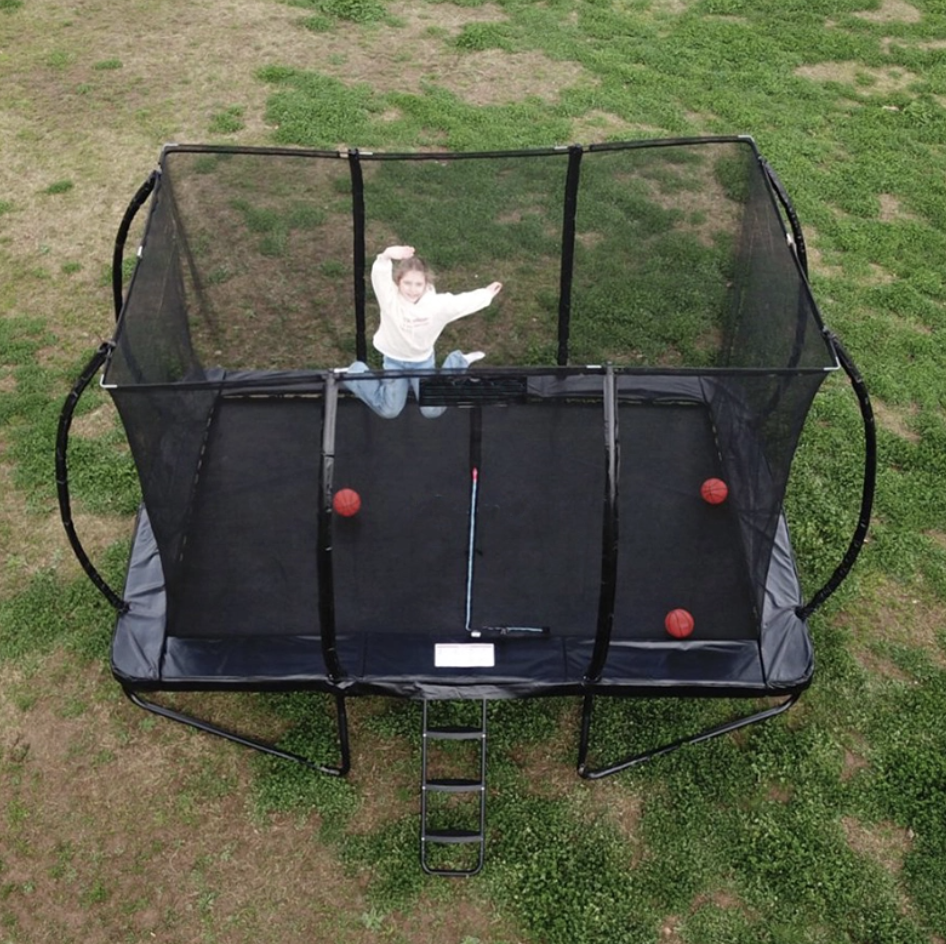
● Outside Net: For families with younger children, an outside net is often the safer option. It provides more room to jump and play, preventing children from hitting the frame while also giving them the freedom to move around without feeling restricted.
● Inside Net: Inside nets can be a good choice for smaller families with young children, as they offer protection from springs but may limit play space. For children who primarily use the trampoline for light jumping, an inside net works well.
● Outside Net: For athletes or gymnasts, the outside net is ideal. It offers a larger surface area and a more predictable, controlled bounce, allowing for greater flexibility during complex jumps and flips.
● Inside Net: Although the inside net offers some benefits in safety, it may restrict the movements of more advanced jumpers, reducing the overall experience for those seeking precision and control.
● Easier to Clean: Since the net is closer to the frame, it's easier to access for regular cleaning and maintenance. This setup generally requires less upkeep than outside nets exposed to the elements.
● Protection from Weather: The net’s positioning on the inside protects it from UV damage, rain, and other harsh weather, extending its lifespan.
● More Frequent Maintenance: Outside nets require more frequent maintenance due to exposure to environmental factors. Rain, wind, and UV rays can take a toll on the netting, so cleaning and checking for damage regularly is essential.
● Increased Durability with Proper Care: With proper care, outside nets can last a long time. They often come with UV-resistant properties to withstand sun exposure and other weather conditions.
● Outside Net: Trampolines with outside nets often have a more open, spacious look. They blend better into larger backyards and look more streamlined from a design perspective.
● Inside Net: The enclosed look of an inside net can create a more secure feeling, which some homeowners prefer, especially in more confined spaces or urban settings.
● Outside Net: Outside nets help maintain a cleaner, less crowded backyard appearance, making them a good fit for more minimalist outdoor spaces.
● Inside Net: Inside nets tend to give trampolines a more "finished" and secure appearance, making them more fitting for those seeking an enclosed, protected play area.
In conclusion, whether you place the trampoline net inside or outside depends on your needs. If more play area, enhanced safety, and better performance are your priorities, an outside net is ideal. However, if you prefer protection from the springs and a smaller trampoline setup, an inside net may be better. Zoshine trampolines offer excellent durability and performance for both setups, making them a reliable choice for any backyard.
A: An inside net offers better protection from springs, while an outside net provides more space and can be equally safe with proper padding.
A: Yes, outside nets can be added to most existing trampolines, especially with adjustable pole kits.
A: Yes, outside nets allow for a larger jumping surface, offering more space than inside nets.
A: Outside nets require more maintenance due to exposure to the elements, but with proper care, they can last longer than inside nets.


